The best technology is the technology you forget about.
For nearly twenty years, Holiwave has been turning complex technology into products that feel simple, natural and dependable. From pioneering e-paper devices to today's learning experiences, our principle has remained the same:build the complexity underneath, so users never have to think about it.
Read. Learn. Understand. Create.Technology is not the destination.It should simply make getting there feel effortless.
A few milestones
devices running our technology
2.5M+
Assimil language courses brought to digital
70
complete generations of Assimil applications
3
implementation of Readium LCP, later open-sourced
1st
Our story
One idea across twenty years of engineering.
From the first e-readers to today's platforms, the same belief has guided us: evolve without losing its intent.
2007 · With the Netronix team in Taiwan
2005 — 2009
Start with the problem
Before Holiwave
Carry video over the power lines
To deliver video on demand without rewiring buildings.
2007
The first e-readers, then Netronix
A long-term collaboration in Taiwan: firmware, consulting and engineer training.
2010 — 2012
From hardware to software foundations
June 2010
Mantano is born
Holiwave and Netronix create Mantano to work across the entire product, from firmware to the reading experience.
2010
Then the iPad changes the market
We pivot from hardware to software and build a platform independent from any device.
April 2011
Mantano Reader
Our reading app launches on Android, then iOS. It becomes our showcase.
2012
Holiwave buys out Netronix
Mantano becomes fully independent and software-first.
2012 — 2015
Build components others can use
Recognition
Mantano Reader proves what we can build
Major brands and institutions trust us.
2014
YotaPhone
Taming a second screen nobody had designed for before.
2014 — 2015
Assimil: preserve the method, change the medium
First digital generation of Assimil courses.
2010 · Early Mantano hardware conceptsExploring dedicated reading devices before the market shifted decisively towards software.
2015 — 2018
Make complexity disappear
2015 — 2016
Readium LCP
First implementation, then open-sourced and adopted by the industry.
2016
Bookari
A ground-up reader with a redesigned, natural experience.
2018
Three DRMs, then the choice of control
Fewer dependencies, more reliability and security.
2019 — today
Evolve the product without losing its intent
2024
Mantano fully returns to Holiwave
One team, one standard of engineering.
Early 2026
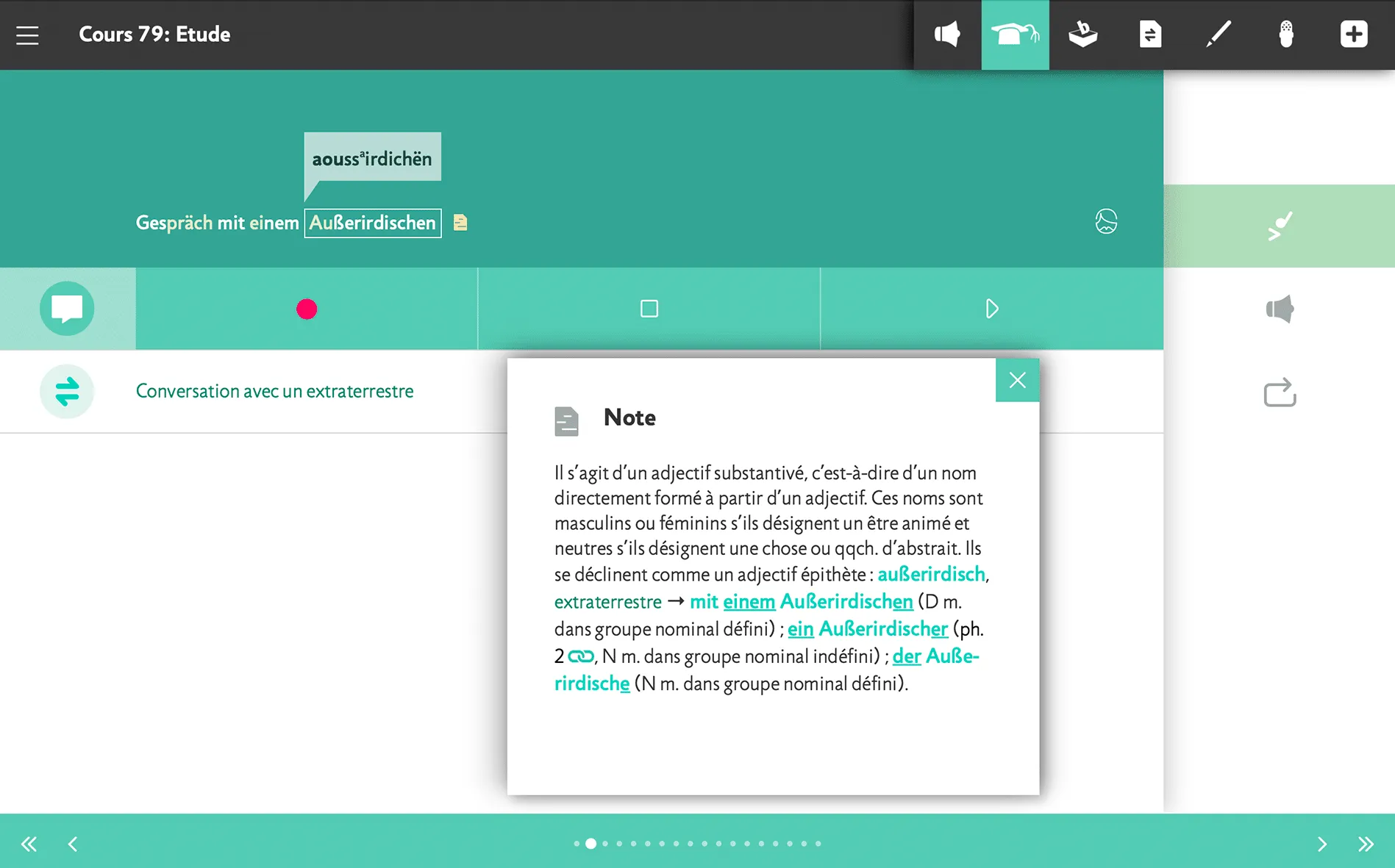
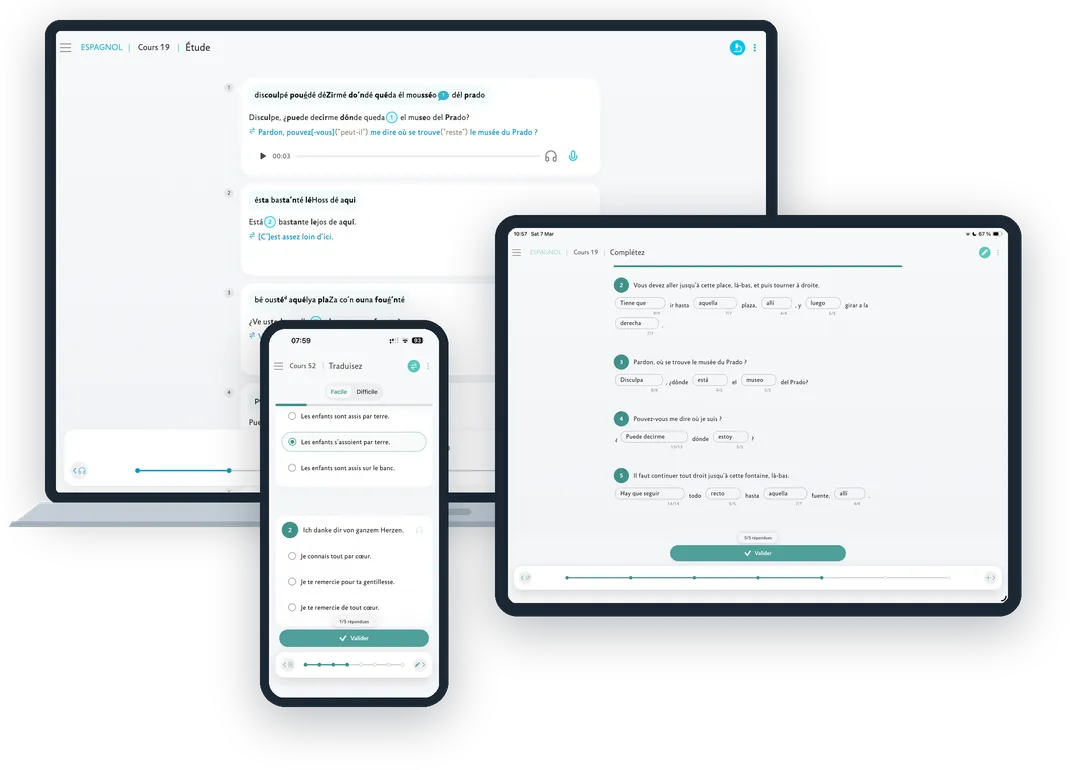
Assimil V5: start from the content, not the format
A new native generation on all platforms.
One product. Three lives.
Preserving the method. Reinventing the experience.
We partnered with Assimil in 2014 to bring its language courses to digital. Our mission: preserve the pedagogy while using what digital can truly add.
2014
The trust
A new challenge is accepted.
2015
First generation
30+ courses delivered in under 4 months.
2018
Second generation
A new engine, more features.
2026
V5
A new experience, true cross-platform.
Then
First generation (2015)
Android
Now
Assimil V5 (2026)
All platforms
Same intention
The method, the structure, the progression.
New technology
Interface, architecture and interactions designed for today.
Better experience
Across devices, contexts and ways of learning.
2015Same intention. New technology. Better experience with every generation.2026
Behind Holiwave
Two perspectives. One standard.
Holiwave is led by Jean-Marie Geffroy and Karina Ordoñez. Design and development, product and technology: two complementary ways of seeing the product, working together from idea to experience.
Jean-Marie Geffroy
Architecture · R&D · Product strategy
Researcher, teacher and software engineer, Jean-Marie works across architecture, engines, performance and long-term technology choices. He focuses on finding foundations that keep product coherent, fast and evolvable.
Karina Ordoñez
Development · Product · UX · Identity
An engineer and Product Manager since Mantano's earliest days, Karina leads product development. Her background at the intersection of computer science and aesthetics informs her attention to detail, the user experience and the way users adopt a solution.
Important decisions are shaped through this dialogue: architecture, development, experience, product and use are not separate concerns. Over the years, that constant conversation has become an essential part of the Holiwave method.
Our brands
From reading to new horizons.
Over the years, Holiwave has created its own products and brands alongside its work for partners. Mantano and Bookari marked important chapters in our history. Neovento is opening the next one.
2009 – 2024Legacy brand
Digital reading technology
The technology and product platform behind nearly fifteen years of innovation in digital reading.
2015 – 2018Legacy brand
Reading, made personal.
Our consumer reading experience, built around books, annotations, synchronisation and freedom of choice.
Coming soon
Technology in motion.
A new Holiwave brand exploring how technology can enhance sport, movement and outdoor experiences — with a particular focus on water sports.
Different chapters. Same purpose: to create meaningful digital experiences.
What twenty years have taught us
A few principles that outlast trends.
Start with the problem.
We choose technology after understanding the use case, not the other way around.
Simplicity is work.
An obvious experience often rests on architecture, tooling and trade-offs the user will never see.
Build to last.
A good foundation should let a product improve for years, even as platforms and frameworks change.
Keep control where it matters.
Open standards, in-house engines or third-party components: we choose according to product longevity and the freedom they leave for evolution.
Your data is not our business.
We build products, not user profiles. We have never sold user data or shared it with third parties for advertising or commercial exploitation.
We never considered what people read, how they read or what they learn to be ours to monetise.
We hope our users remember the books they read, the languages they learned or the projects they completed — not the software that helped them do it.
What’s next
Let’s build what needs to last.
Have a complex product to design, rethink or evolve? Let’s talk about the problem before we talk about technology.